Master the Ice: Hands-On Guides for Every Angler
Practical, field-tested advice for safe and successful ice adventures.
FrozenLine Blog presents a comprehensive series of guides covering techniques, safety best practices, rod setup fundamentals, and expert lure tips. Whether you’re just starting out or pushing for new fishing records, our step-by-step playbooks ensure you’re prepared for every icy trip.
Start Strong: Beginner Preparation
Sizing Up Safe Ice
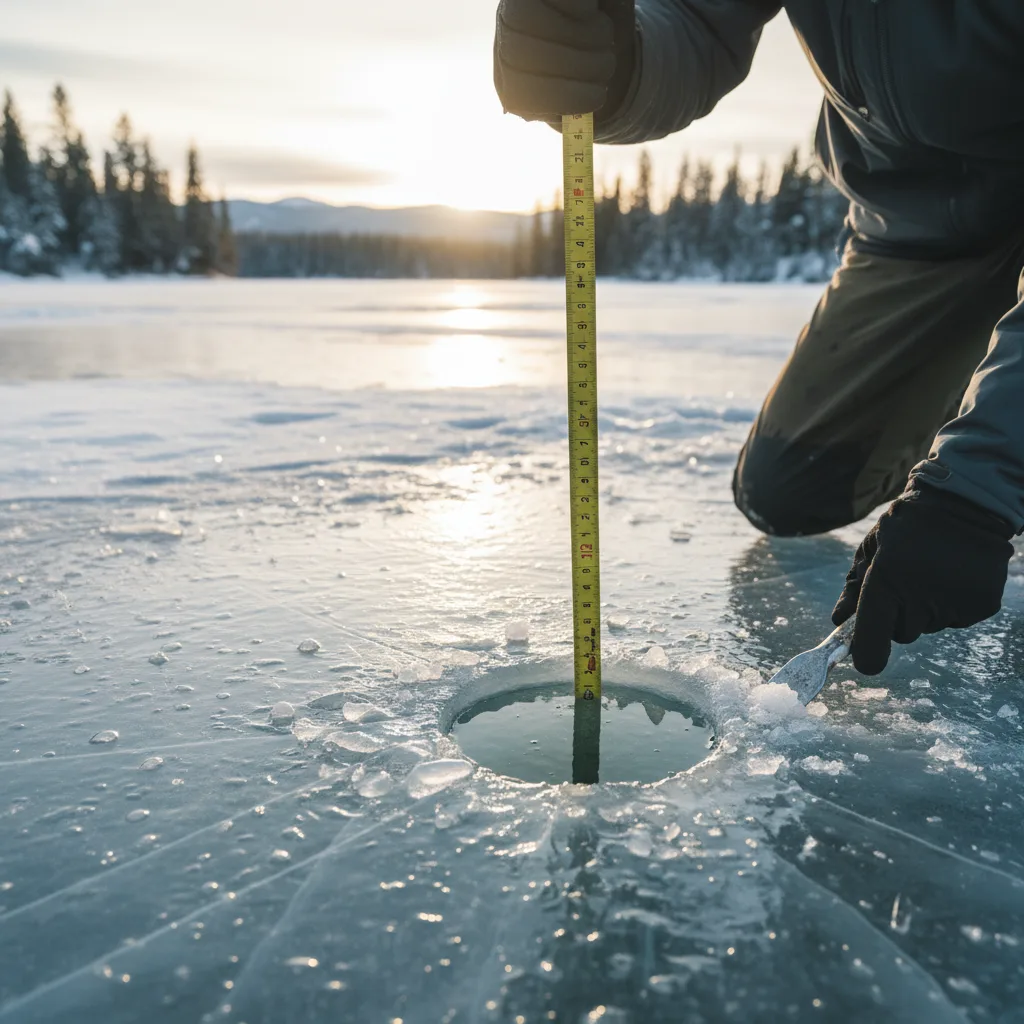
Always check ice thickness using an ice chisel or auger before setting out. Clear, solid ice should be at least 4 inches thick for walking. Avoid cloudy or slushy patches, and be cautious around inlets or moving water.
Packing Your Starting Kit
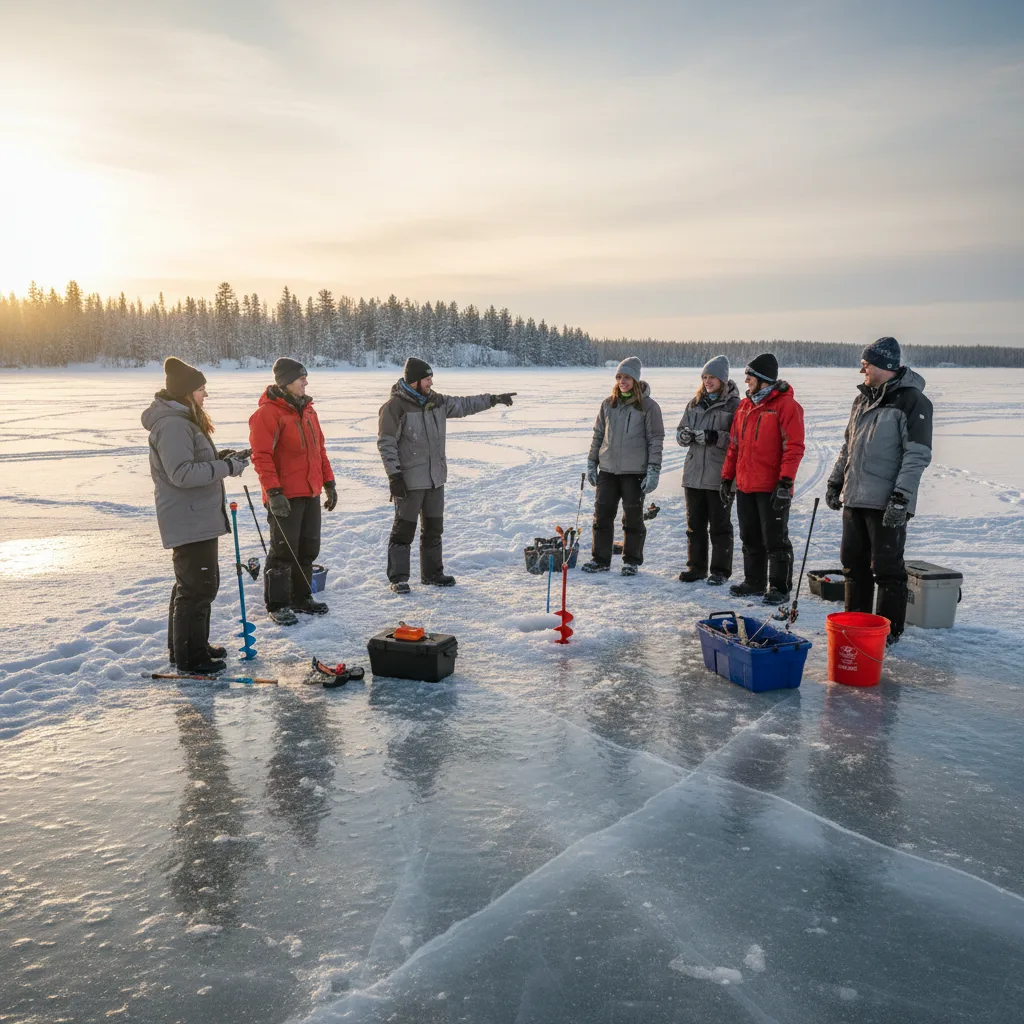
A sturdy auger, spud bar, safety spikes, warm boots, and a compact sled form the essentials. Don’t forget a floating rope and whistle for emergencies. Start simple; you can scale up gear as you gain confidence.
Finding Your First Spot
Choose public lakes with a history of safe winter activity. Early winter fish often linger near shallow drop-offs. Pay attention to weather, wind, and local knowledge—being cautious is more important than catching your first fish fast.
"Safety on ice is knowledge minus shortcuts."
- Carry ice picks and wear them around your neck for quick self-rescue.
- Check ice thickness every 20 yards; never trust old drill holes alone.
- Never fish alone: Always tell someone your plans and fish with a partner when possible.
- Bring a throw rope and keep it accessible at all times.
- Dress in layers with a wicking base; avoid cotton, which traps cold moisture.
- Keep a charged phone in a waterproof bag for emergencies.
- Trust your instincts—if the ice feels wrong, pack it in.
Choosing The Right Lure
Before heading out, consider water clarity, fish species, and available daylight. Small teardrop jigs excel for panfish, while aggressive spoons draw bites from walleye under pressure. Use bright finishes in murky water and keep presentations subtle in clear conditions. Move between presentation types as light or fish mood shifts. Confidence comes from experimenting, but always pack proven classics.
Rod & Line Setup: Do’s and Don’ts
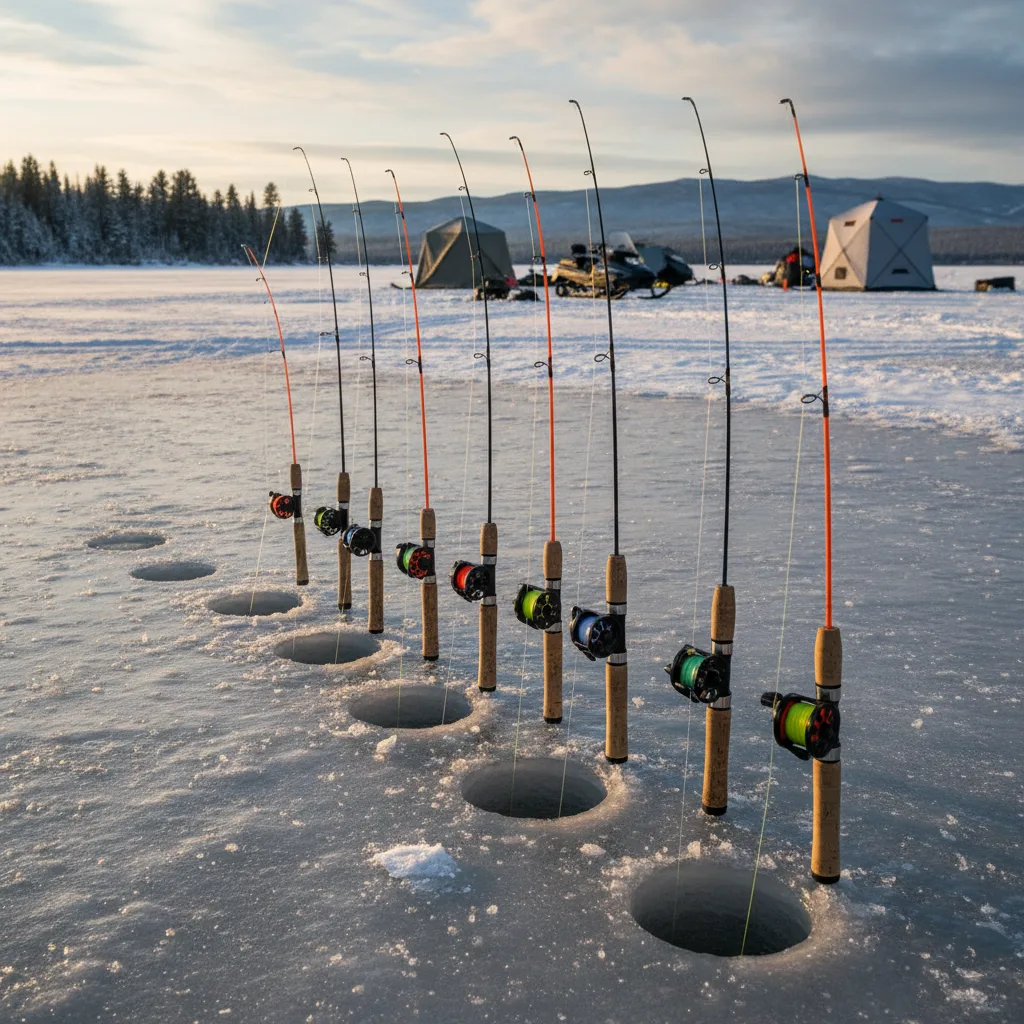
- Rod Length: 24–28" light/medium action
- Tip Action: Fast for bite detection
- Line Weight: 3–6 lb mono or braid
- Handle Grip: Cork or ergonomic foam
- Oversized “open water” rods – control is poor indoors
- Ultra-heavy lines: reduce lure motion
- Metal handles (cold – avoid)
- Flimsy tip rods: difficult bite detection